How to Beat SIBO For Good
How Do I Know I Have SIBO?
SIBO stands for Small Intestinal Bacterial Overgrowth, a condition where bacteria have overgrown in the small intestine, resulting in unpleasant symptoms, including those listed below.
Some common symptoms related to SIBO are:
Bloating
Constipation
Digestive discomfort
Pain in the upper abdomen
Alternating constipation/diarrhea
Metabolic dysfunction
Hormonal problems
Weight loss/weight gain
Skin issues
Chronic fatigue
Enhanced ADD symptoms
Anxiety/racing thoughts
An Important Note About SIBO
It’s not always about bad bacteria alone. Yes, bad bacteria are almost always involved; however, in many SIBO cases, patients are afflicted with overpopulation of what are considered good and even vital strains of bacteria in the gut, leaving the real question to be—why is bacteria overgrowing in the small intestine in the first place?—an answer which I will get to later!
Common tests used to determine the presence or severity of SIBO:
The most common is the SIBO Breath Test, administered by a doctor or health practitioner
Less common, but more effective in terms of long-term rehabilitation, would be the GI Map, or some other functional stool analysis
What does conventional antibiotic treatment do?
The conventional treatment for SIBO is one to multiple rounds of antibiotics—an aggressive tactic that kills bacterial overgrowths, eliminating symptoms in the short term. However, this route does not prevent recurrence. In many cases, SIBO will return with increased bad bacteria in the small intestine and symptoms that are worse than before.
Why doesn’t conventional treatment work long-term?
When it comes to antibiotic treatment for SIBO, there’s the good, the bad, and the ugly.
The good: If tolerated, antibiotics quickly and effectively kill off overgrowths.
The bad: Antibiotics will kill both good and bad bacteria in the gut, leaving your baseline weakened.
The ugly: Once the antibiotics have knocked down all forms of overgrowth, bad bacteria are the quickest to regrow and fill in the gaps, often leading to a resurgence of SIBO that is even worse and more painful than before.

What causes bacteria to overgrow in the first place?
One must address the “why” behind their bacterial overgrowth; otherwise, SIBO will recur repeatedly, and bad bacteria will continue to dominate.
Reasons for bacterial overgrowth in the small intestine can include, but are not limited to the following:
Low stomach acid: When stomach acid is low, your body lacks its main defense against bacteria entering the small intestine. Low stomach acid can occur for the following reasons:
Nutrient deficiencies such as zinc, calcium, and B vitamins.
Protein deficiency resulting from diet or poor breakdown of amino acids in the gut
Chronic stress, resulting in reduced vagus nerve activity
Slowed intestinal motility: In cases of chronic constipation, food and stool move slowly through the small intestine, allowing bacteria to remain in one area and overgrow. Slowed intestinal motility can occur for the following reasons:
Chronic stress, which slows and de-prioritizes digestion
Enteric nervous system damage from overuse of laxatives or certain medications
Reduced gut-brain communication
Chronic dehydration
Lack of movement or exercise
Lack of nutrients, such as magnesium and potassium, to stimulate muscle contractions
Chronic stress & vagus nerve disruption: When the sympathetic nervous system (SNS) is constantly active, our bodies are unable to switch into the ‘rest and digest’ state. Chronic stress doesn’t solely include big, traumatic incidents. Many day-to-day tasks keep the body in an SNS state, including those in the list below:
Busy, unrelenting work schedule
Overwhelm of parenting
Worry, anxiety, racing thoughts
Financial burden
Family circumstances/relationships
Video games/television/constant stimulation from phones and screens
Excessive caffeine use (or even moderate caffeine use for some)
Travel
Academic pressures
If you have been chronically stressed or in an SNS state since childhood, creating a safe environment for your nervous system to unwind is necessary for healing the gut-brain connection—a main driver of SIBO symptoms. Other forms of healing, such as talk therapy, coaching, somatic exercises, breath work, and intentional relaxation, can be helpful during this process.

How can I stop the cycle and heal this permanently?
Whether you’ve been through multiple rounds of antibiotics or are just beginning your SIBO journey and are looking for holistic solutions, the healing path looks something like this:
Identifying the underlying imbalance: Functional lab testing helps identify exactly which bacteria need to be corrected, eliminating the cycle of guesswork. At Holistic Healing Diagnostics, I use industry-standard tests, including the following:
GI Map
SIBO lactulose breath test
Organic Acids Testing
Mycotoxin testing
Calming the nervous system, reducing inflammation, and increasing gut motility: Before killing off bacterial overgrowths, one must ensure their detox pathways are open, including bowel movements with full elimination and liver support. At Holistic Healing Diagnostics, we utilize an anti-inflammatory diet, supportive lifestyle habits such as sleep hygiene and stress management, and some of the following interventions on a case-by-case basis:
Warm lemon water
Dandelion tea/tincture
Milk thistle
Magnesium citrate/vitamin C flush
Low FODMAP fiber
Pro-kinetic herbs
Removing the bad bugs (and sometimes good bugs too): Once your detox pathways are open, it’s time to eliminate the bad guys. In my virtual clinic, all microbial detox is done using a combination of the following natural herbs and binders on a case-by-case basis:
Oregano
Neem
Allicin
Biocidin
Bentonite clay
Charcoal
Restoring balance to your keystone bacteria: The next stage involves reseeding the gut with keystone bacteria. This step may include a combination of spore-based and enteric-coated probiotics tailored specifically to your unique gut microbiome.
Repairing the gut lining by sealing up the leaks: The next step in SIBO recovery provides support to the gut lining, which has been damaged after months or years of chronic inflammation caused by this condition. Some gentle supplemental support may include some of the following:
L-theanine
Quercetin
Collagen
Cat’s claw
Slippery elm
Licorice root
Looking ahead to long-term support and prevention: Chronic stress, poor sleep, consuming inflammatory foods, and living without mindfulness will almost always invite SIBO to return. With a healthy eating plan, new habits in tow, and a lifestyle that supports your body from the inside out, you can live SIBO-free for the rest of your life.
Beat SIBO for good with functional lab testing + practitioner support
At Holistic Healing Diagnostics, we provide support to people just like you—people who’ve suffered from bloating, constipation, abdominal discomfort, and food reactivity for far too long. We help you reestablish a calm, healthy baseline for your gut by restoring balance to your microbiome and reducing bacterial overgrowth so digestion is smooth, painless, and effective once again.
Book a Connection Call with Lucille, FDN-P, to discuss your options and heal SIBO with data-driven answers and practitioner support every step of the way.
Book your Connection Call: https://calendly.com/lucillejanturan/new-meeting
Learn more: https://www.holistichealingdiagnostics.com/
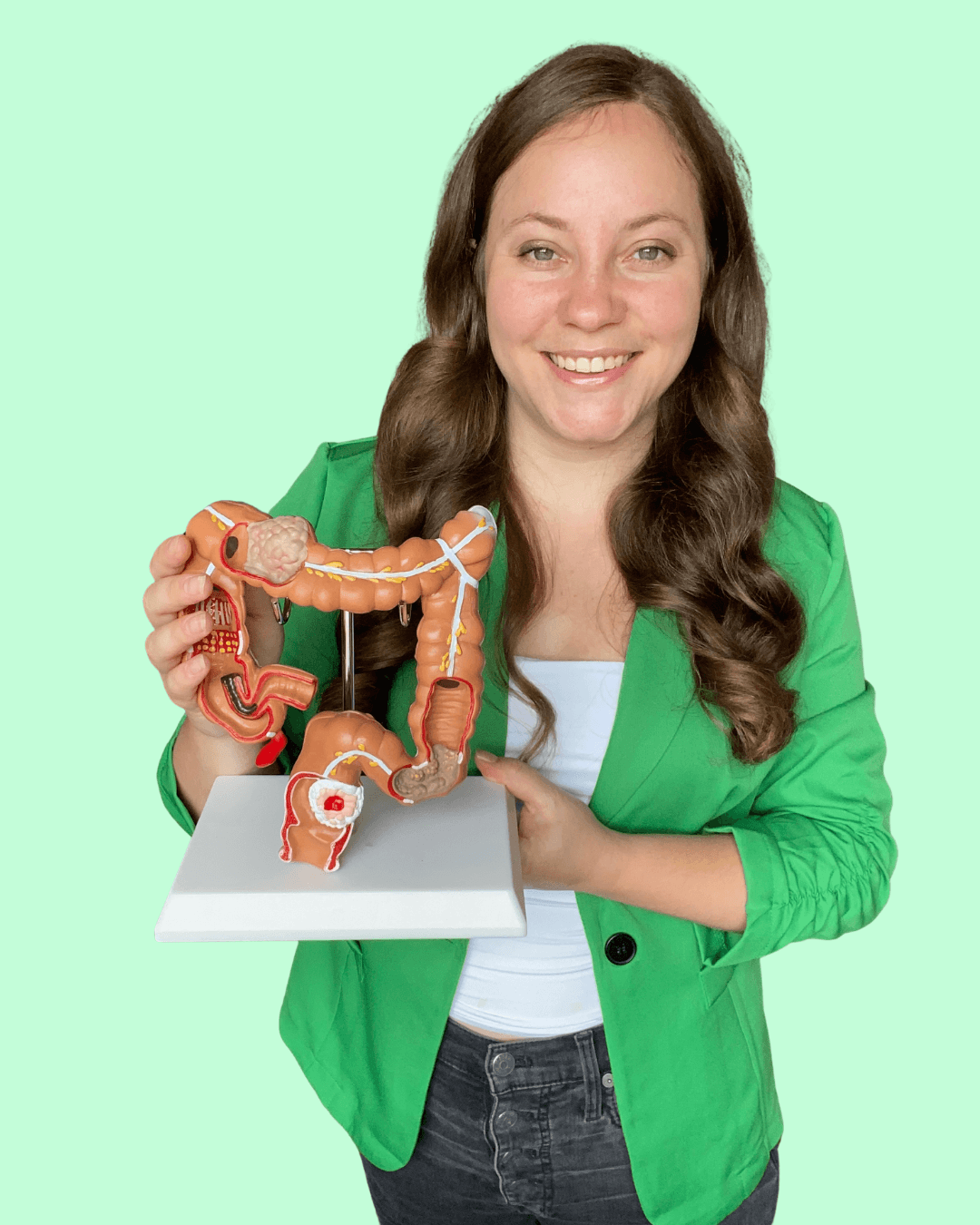
HEY, I’M LUCILLE…
Hi! I’m Lucille. I’ve seen firsthand how traditional healthcare falls short when it comes to chronic symptoms—so I’ve made it my mission to fill in the gaps. If your health is a mess (whether it's hormonal, gut-related, autoimmune, or beyond) and no one’s given you real answers, you’ve landed in the right place.
Join my email list at the bottom of this page... ✉️
Join the Holistic Healing Diagnostics Newsletter for root cause healing tips
Opt out at any time
Name